HAVE I BECOME TOO ITALIAN?
I was practicing my presentation skills, and my coach gave me her usual feedback. This time, however, she mentioned that my English shows some Italian influence and that I should work on certain nuances to polish my delivery. To be honest, the comment disheartened me. I have used English for more than half my life—I live in this language, work in it, speak it, and listen to music, movies, and podcasts in English. Yet, instead of feeling like I was improving, it felt as though my English was regressing and requiring even more effort.
I’ve worked immensely hard across so many domains: upskilling from a consumerism consultant to a B2B strategist, and transitioning from FMCG product lines to EVs, low-voltage batteries, EE architecture, and AI implementation. I’ve reskilled to become a teacher, a lecturer, and a facilitator. I’ve pushed myself to master Italian while maintaining my English. What more could I possibly do?
I found myself wondering: Have I become "too Italian"? Is this causing me to lose my second language skills? It feels absurd that in trying to integrate, I might be sacrificing something I’ve spent decades building.
After reflecting, I remembered that sociolinguistics offers a very different perspective on language. Speaking a language fluently doesn’t require flawless grammar or Received Pronunciation (RP). If we are clear, convey profound and unique ideas, and keep our audience engaged, the language has fulfilled its purpose. Still, as an English teacher, I initially felt uneasy about the idea that my English carries an Italian or Vietnamese influence.
But how many people can speak English with the subtle marks of two other languages? Doesn't this reflect my rich cultural background and life experience? I am fortunate to speak three languages and be immersed in two distinct cultures, Western and Southeast Asian. My pronunciation tends to lean British, though American inflections slip in because I spent years working with American companies with American friends before moving to Italy, where I studied under British professors and made British friends. I am truly international. I’ve had the privilege of learning from diverse cultures, and I shouldn't feel bad about that.
English may not be my native language, but I own it. It reflects everything I am proud of, and I want my children and my students to feel the exact same way. Not having an RP accent, or having a second or third language influence our English, is an asset—a plus, not a minus. While we should always strive to refine our skills, we should never feel ashamed of what makes us who we are.
Have I become a bit Italian? Yes, I think I have. And I deserve a pat on the back for it; I’ve certainly earned it!
Có thể bạn cũng thích
LÀM BÁNH TẠI NHÀ: LÀM VỎ BÁNH MẶN B...
TẠi siêu thị có bán nhiều loại vỏ bánh từ puff, đến brise, đến vỏ bánh quy ngọt (shortbread), ... Nếu ai chưa từng thử làm br...
RAGU- SỐT THỊT BOLOGNESE DÀNH CHO P...
Món này là 1 trong những món nổi tiếng nhất sau Pizza của Ý, mình nghĩ vậy. và trong tiếng anh, người ta gọi nó là Bolognese ...
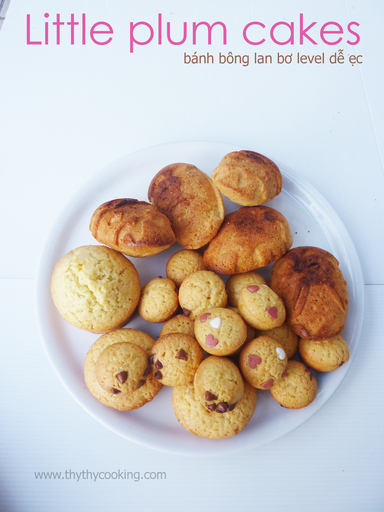
LÀM BÁNH TẠI NHÀ: BÁNH BÔNG LAN BƠ ...
1 chiếc bánh dễ nhất trên đời. LÀm rất dễ, nhanh. Tỷ lệ thành công là 99%. 1% còn lại dành cho ai đãng trí làm bánh bị khét. ...
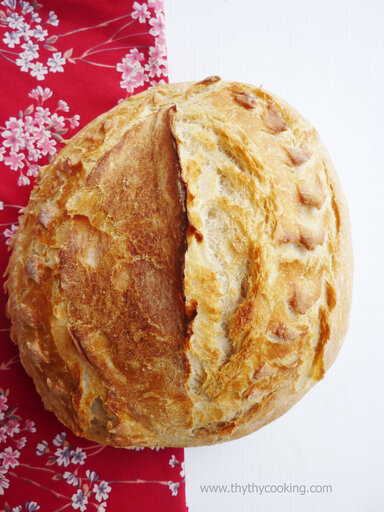
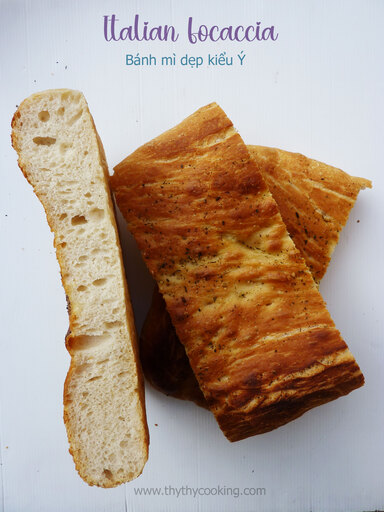
BÁNH FOCACCIA - BÁNH MÌ DẸP KIỂU Ý
Bánh Focaccia của Ý xuất thân từ vùng genova ở miền phía bắc nước ý. Mình ở vùng cũng là một phần của phía bắc. Tuy nhiên, cá...
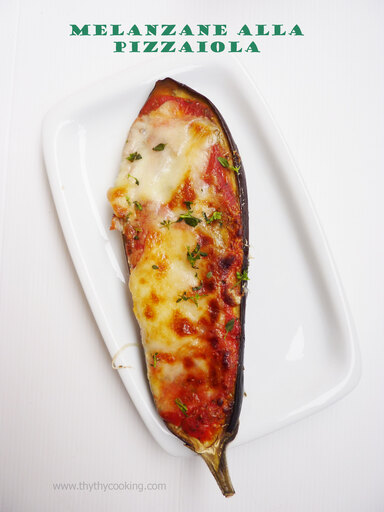
ITALIAN BAKED EGGPLANTS - MELANZANE...
This dish is easy! And absolutely delicious! The soft juicy eggplant goes perfectly with tomato sauce, mozzarella and a littl...
Bài mới
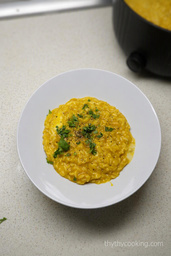
EASY PEASY HOMECOOKED MEAL: CREAMY PUMPKIN RISOTTO
I first discovered risotto when I was 19 years old, working as a hostess at a fine...
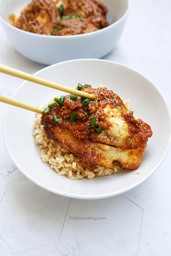
QUICK AND EASY CHICKEN WITH MISO & PEANUT BUTTER
Cooking on weekdays is a challenge. After a long day, I just want to lie on my c...
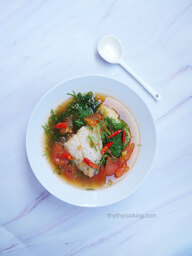
QUICK AND HEALTHY: VIETNAMESE FISH SOUP
Healthy Vietnamese fish soup: a true traditional dish that almost every Vietnames...
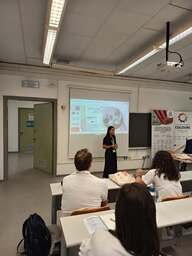
HAVE I BECOME TOO ITALIAN?
I was practicing my presentation skills, and my coach gave me her usual feedback. ...
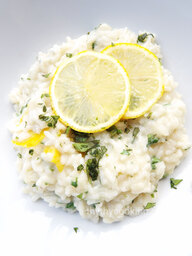
QUICK AND EASY LEMON RISOTTO
Risotto al limone (lemon risotto): One thing I have learned from Italian cuisine i...
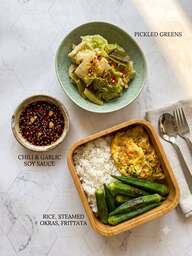
ÂY-AI (AI) ƠI, EM MUỐN TỈ SỐNG SAO???
Tui đưa tấm hình của tui cho con Ây-ai xem, hỏi nó thấy hình tỷ làm ô kê hem. Nghĩ...
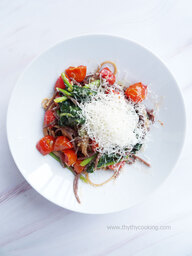
MEGHAN SPAGHETTI
Meghan or the Sussexes are everywhere in the tabloids, and I could never understan...

HÀNH TRÌNH GIẢM CÂN CỦA DRAMA 2026
Cứ cách 1, 2 năm là lại dẫy dụa giảm cân. Sau 40 năm trên cuộc đời này thì tui cũn...
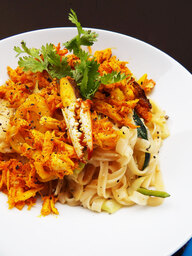
PHỞ XÀO CUA - RAU CỦ NƯỚNG - DU LỊCH ALBANIA VÀ MACEDONIA
Vài tấm hình mấy món ăn mình vừa nấu. :D Sau nửa tháng đi chơi vùng Balkan ăn Bure...
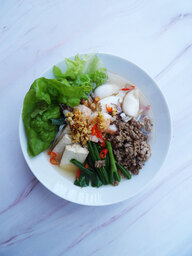
BÚN NAM VANG VÀ BÁNH MÌ PESTO
Miền Nam nhà mình có cái món hủ tiếu Nam Vang thật là vi diệu, thịt thà, rau củ và...